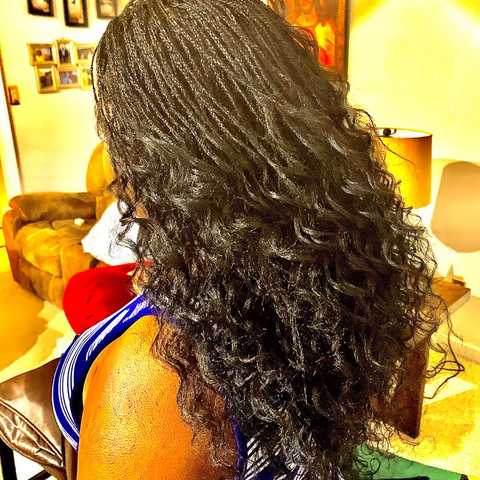
Sleeping With Micro Braids: 6 Simple Nighttime Protection Tips
By Augusta Hair Braiding and Micro Locs | November 5, 2026
My number one rule for sleeping with micro braids is simple: reduce friction, every single night. I hear it all the time around Augusta, especially from people who’ve worn their micros for years and “have never been disappointed.” Keeping that fresh, neat look comes down to what happens between bedtime and breakfast. A satin bonnet or scarf, a low-tension braid setup, and a light scalp routine will do more for your style than any heavy product ever will.
The first 24 to 48 hours: let your micro braids settle
Right after your appointment, your scalp and edges are adjusting. Micro braids are small, detailed, and they take time to install, so the first couple nights matter. I generally recommend you keep things calm and hands-off.
Night 1 and 2 quick plan: Gather the braids loosely, cover with satin, and skip tight bands. Your goal is comfort and low friction, not a “perfect” bedtime style.
Do this the first two nights
- Cover your braids with a satin or silk bonnet. If bonnets slip on you, tie a satin scarf first, then add the bonnet over it.
- Keep tension low by putting braids into a loose pineapple (high ponytail without pulling) or a loose low bun. I’m looking for secure, not tight.
- Sleep on satin if you can. A satin pillowcase is a great backup for the nights you forget your bonnet or scarf.
Avoid this early on
Try not to get your braids wet in the first 24 to 72 hours if you can help it. In South Augusta, humid summers and surprise rain can happen fast, so keep a scarf handy. And don’t load your scalp with heavy creams. They tend to sit between the braids, grab lint, and make the style look dull faster.
The first week in Augusta humidity: keep frizz down without overdoing it
After day three, most people feel settled. That’s when frizz starts to show up if you’re sleeping uncovered, sweating, or using the wrong products. A lot of my regulars keep coming back for micro braids because the style holds up when they keep the routine simple and consistent.
Tip 1: reset at night in 3 minutes
Before bed, run your hands down the length once to smooth, then gather the braids loosely. Cover them. That’s it. Over-brushing and constant re-parting usually leads to frizz and irritation.
Tip 2: manage sweat the next morning, not at midnight
If you work out in the evening, let your scalp breathe for a moment after, then cover your braids for sleep. In the morning, use a light scalp spray or a small amount of lightweight oil on your fingertips. Heavy product plus sweat tends to turn into buildup fast.
Tip 3: keep your edges off limits
Edges do best with low tension. Skip tight headbands at night. If you like a laid look, go light on gel and make sure your scarf isn’t tied so tight that it pulls your hairline.
6 nighttime protection tips I use with micro braids (adults and kids)
These are the same habits I talk through with busy commuters, parents juggling activities, and military families who need a low-maintenance, travel-friendly routine across Augusta, Martinez, Evans, North Augusta, Grovetown, and Hephzibah.
1) Satin first. Bonnet, scarf, or satin pillowcase. If you only do one thing, do this.
2) Loose gather, not tight ties. Use a soft scrunchie or a large, gentle band. Tight elastics cause dents, breakage, and sore spots.
3) Braid pile placement matters. If your braids are longer, lay them up and away from your neck to reduce sweating and friction.
4) Scalp oil goes on your fingertips, not your whole head. Use a tiny amount, then tap it where you’re dry or itchy. More isn’t better.
5) Keep hands out of the parts. Picking and scratching frays the base of micro braids, especially around the perimeter.
6) For kids, comfort wins. Use a soft, breathable bonnet or an adjustable satin wrap. Check nightly that it isn’t sliding and pulling at the edges.
And if you’re a South Augusta client passing through the Bobby Jones Expressway retail corridor, keep a spare scarf in the car. A quick re-tie before you run in somewhere can save you days of fuzz.
Light products, clean scalp habits: micro braids aftercare that actually lasts
If you want your micros to stay neat, think “light and clean.” I’m a fan of lightweight oils and water-based scalp sprays used sparingly. Heavy creams and thick butters often cause buildup between braids. That buildup is what makes braids look fuzzy, dull, or sticky way earlier than they should.
A simple night routine (no fancy shelf required)
- If your scalp feels dry, use a small amount of lightweight oil on your fingertips and tap it in.
- If your braids feel rough, mist lightly with water-based spray, then cover with satin.
- If you swim, rinse after and dry braids carefully. Sitting in damp braids overnight is where odor and frizz usually start.
I also talk through hair type and sensitivity in person because micro braids can be a great option for many hair types, but it’s always smart to make sure the approach fits your hair and comfort.
When to reach out about frizz, itching, or tightness (and when it’s normal)
A little scalp sensitivity early on can be normal. Mild itch can happen too, especially if you’re sweating in an Augusta summer. But pain, bumps, or tightness that doesn’t ease up needs attention. I take comfort seriously. People come to me after rough experiences elsewhere because they want a braider who’s detailed, professional, and doesn’t do excessive pulling.
"Thankfully she managed my hair with ease, supporting my tender scalp."
one of our regulars
Reach out if: your edges feel like they’re being pulled, you can’t sleep because of tightness, you see irritation around the hairline, or frizz is showing up because your bonnet keeps slipping. I’d rather help you fix a small issue early than let it turn into breakage.
And if you’re planning your next style already, you can also read about the benefits of micro braids for natural hair and what I watch for when someone’s concerned about micro braids for thinning edges. Micro braids should feel good and fit your everyday life.